



Go Back
News
Wechat News
Understanding Leadership Through Practice: The Growth at YWIES Tongxiang
Wechat News
04 Nov, 2026
12 : 15
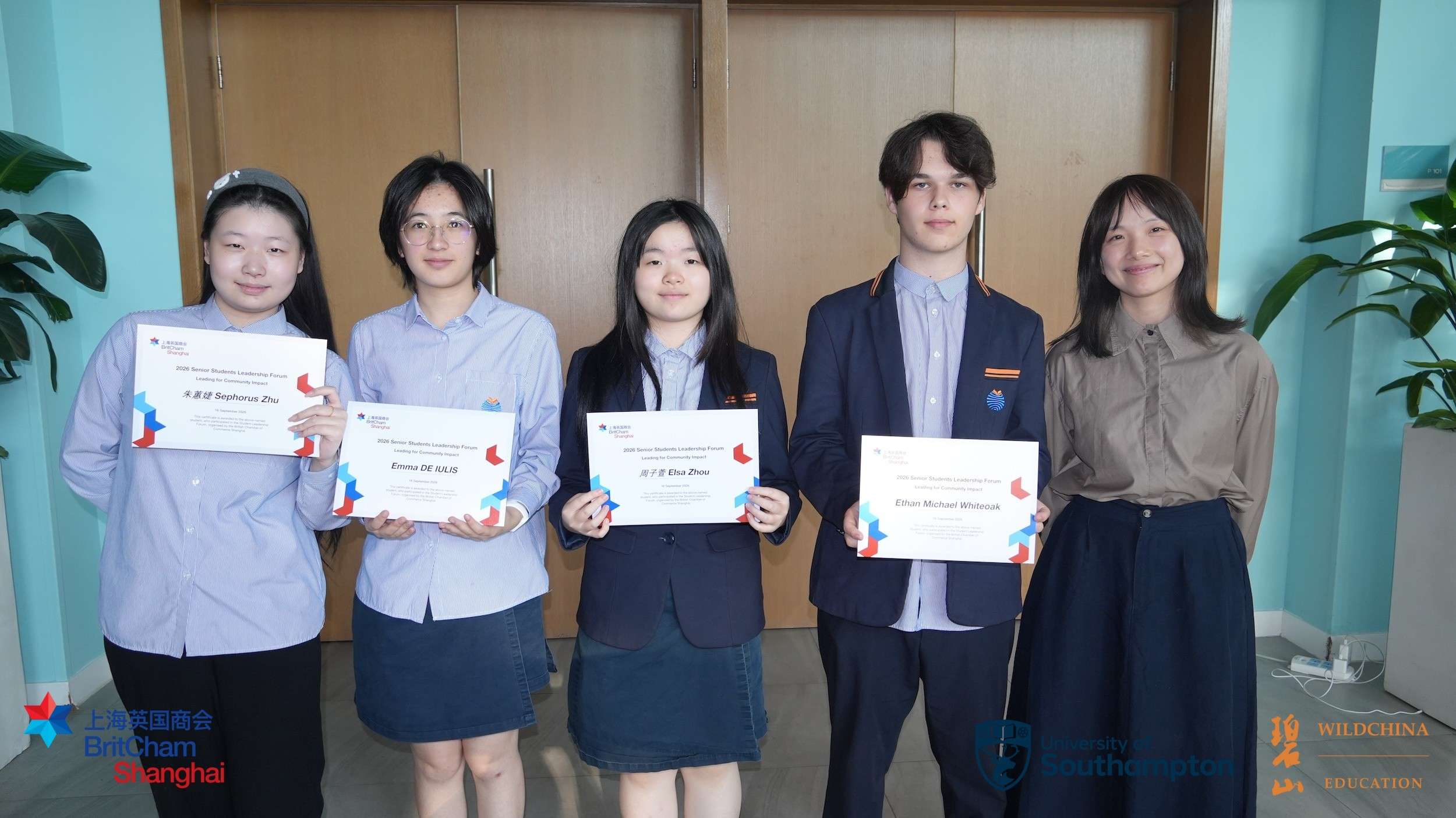
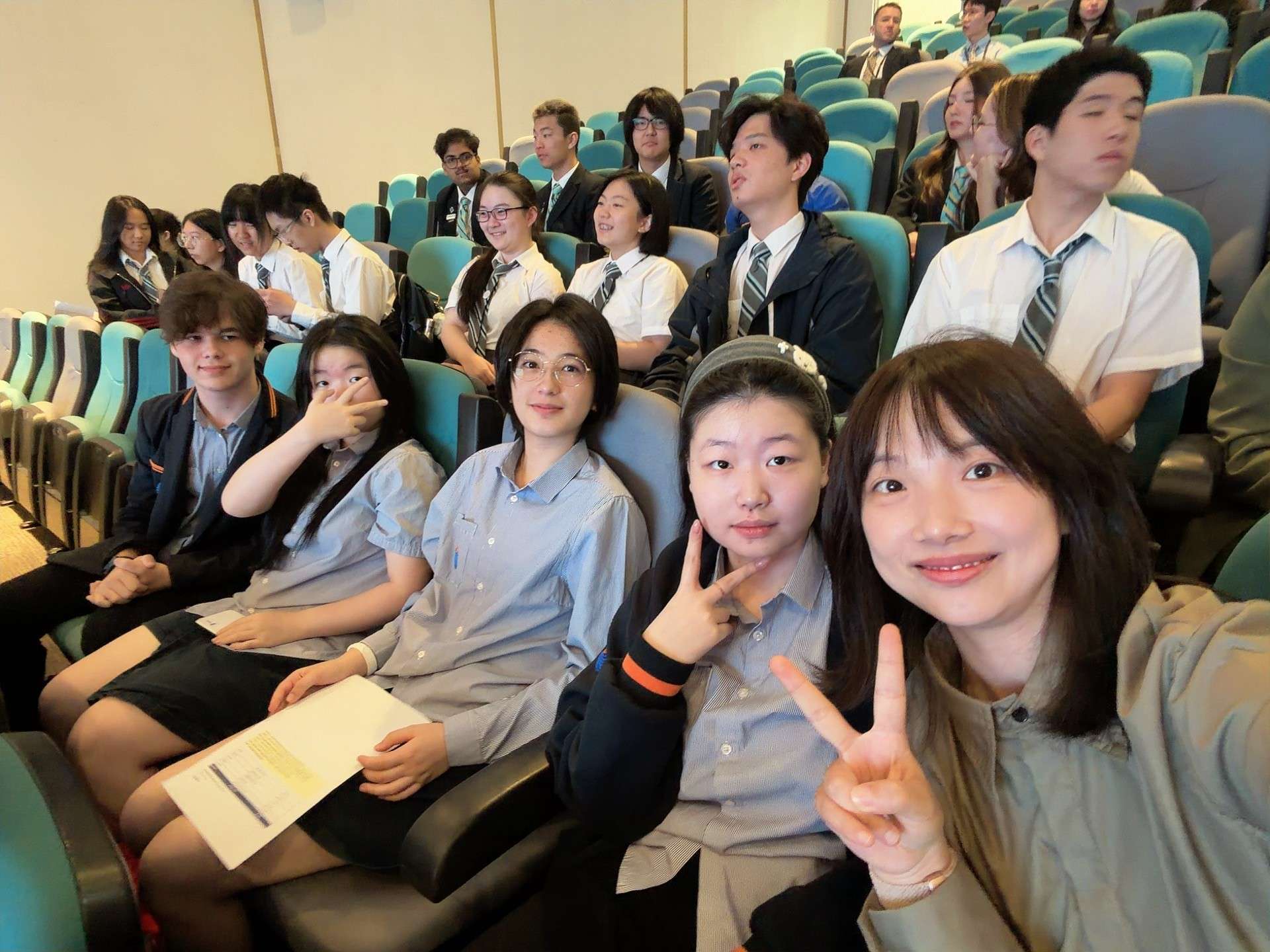
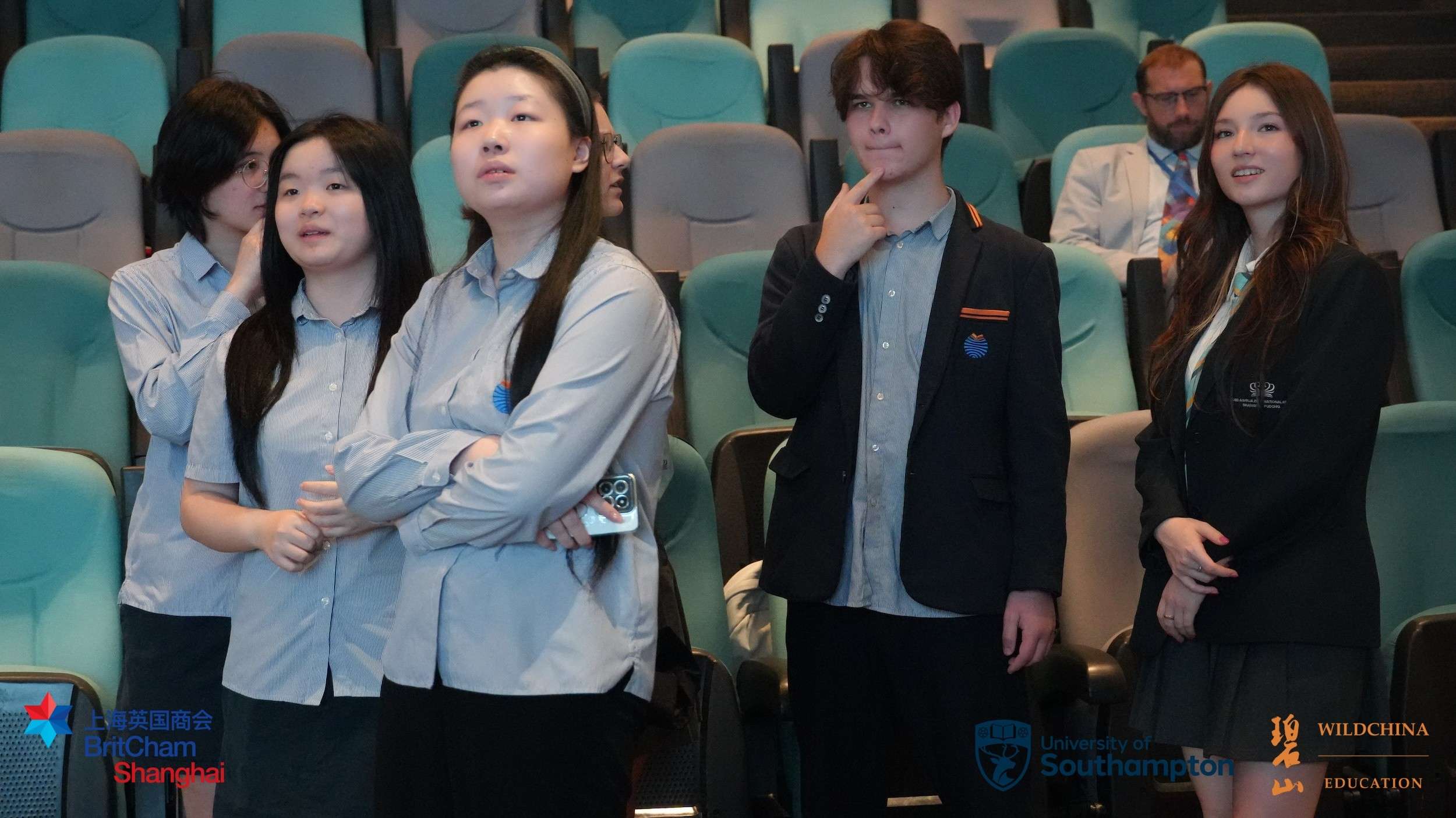
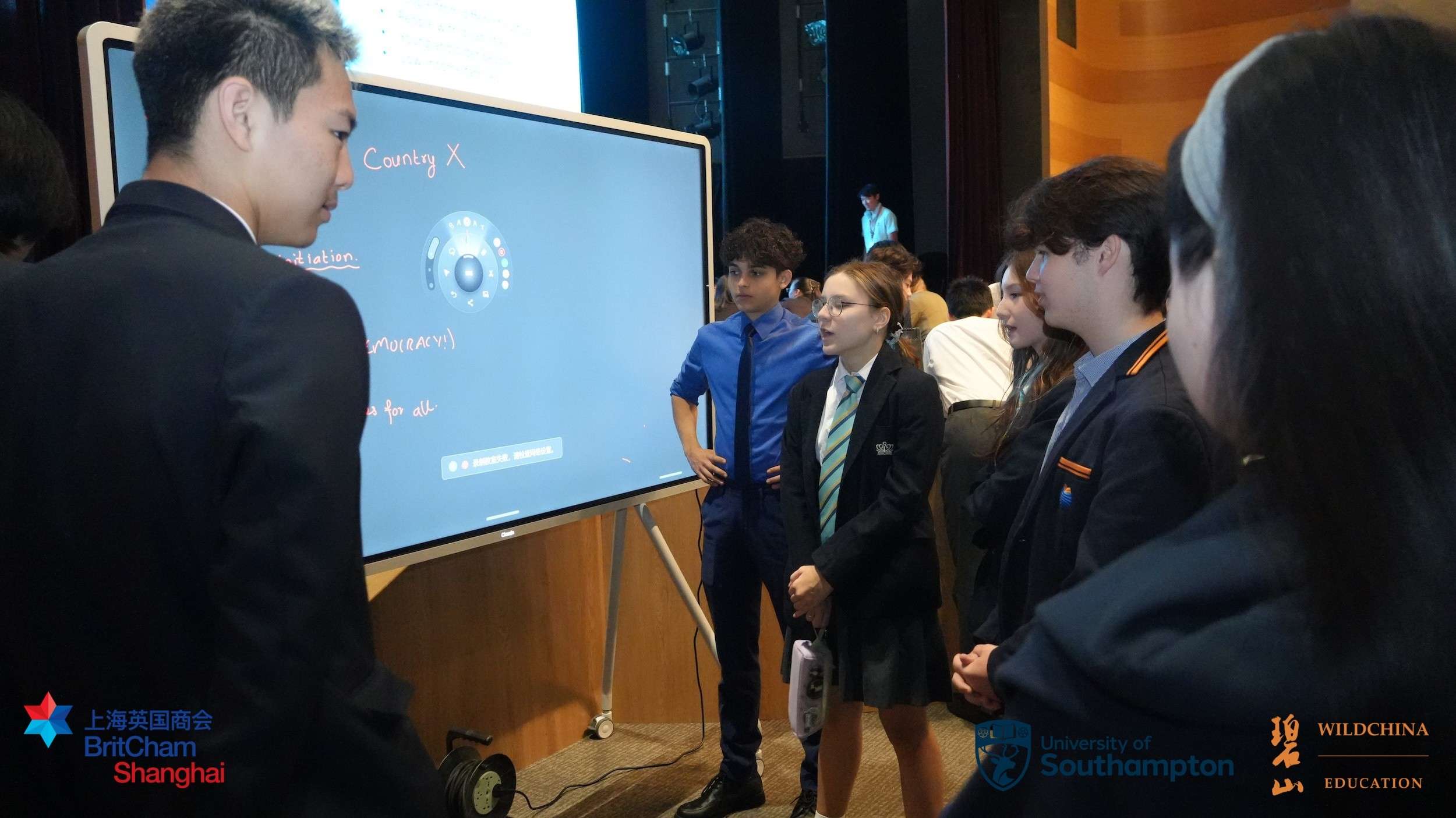
On 16 September, YWIES Tongxiang Student Council representatives travelled to Shanghai to attend the 2026 Senior Students Leadership Forum – Leading for Community Impact in Shanghai. Organised by the British Chamber of Commerce Shanghai in partnership with the University of Southampton, WildChina, Renewal Center, Blue Sheep and other organisations, the event focused on empathy, inclusion and authentic engagement with society.
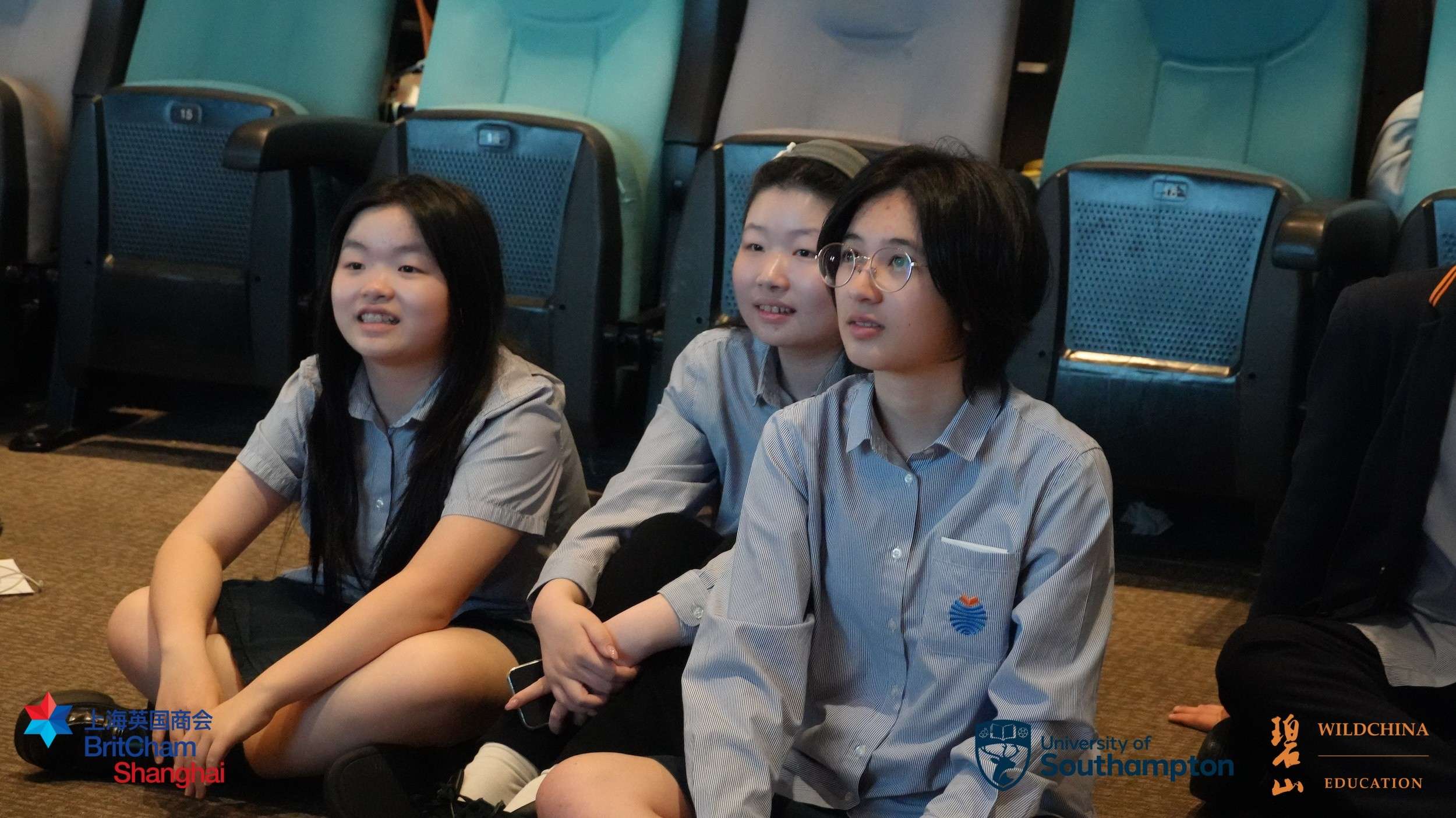
Through activities including a blindfolded walk and a role-play exercise exploring the experiences of people experiencing homelessness, students developed their capacity for trust, empathy and perspective-taking. Aura, the students’ advisor, explained that the event was more than an opportunity to exchange ideas: it was an authentic leadership lesson designed to help students learn to listen and take responsibility through direct experience.
At YWIES Tongxiang, leadership means more than organising and motivating others. It also means understanding, caring and taking action. Through student governance, House Spirits and Service Learning, the school encourages students to identify real challenges through participation and work together to create positive change.
From “Campus Participants” to
“Campus Builders”
As a bridge between students and the school, the Student Council has an important role to play in shaping campus culture. With this in mind, it will introduce three key initiatives this academic year, helping turn students’ ideas into reality.
A student-led drama festival
From collecting scripts and developing the competition format to coordinating rehearsals and managing the event itself, students will take responsibility for the Drama Festival from scratch. More than an arts event, it will provide a practical opportunity to turn ideas into action, helping students learn to coordinate resources and take responsibility for outcomes.
Upgrading the broadcasting station and amplifying student voices
The broadcasting station will evolve beyond simply playing music to become a platform for information-sharing and the exchange of ideas across the school. By planning bilingual interviews, campus news and other programmes, students will develop their media literacy and communication skills, while ensuring that a wider range of voices can be heard and responded to within campus.
Activating the class representative system
Class representatives will be given meaningful opportunities to participate in discussion and decision-making. They will become more involved in House Spirits and Service Learning projects, bringing students’ views and needs into the processes of consultation and decision-making. In turn, the Student Council will become a more open and participatory platform.
Learning to Take Responsibility
Through Real Tasks
The Student Council is both a service platform and a setting in which students can practise leadership. Leaders must learn to solve problems in uncertain situations: the Drama Festival requires the coordination of people and venues; the Broadcasting Station needs content and schedules to be planned; and Service Learning involves stepping beyond the school to respond to genuine community needs. Through these practical responsibilities, students will strengthen their skills in four key areas.
01
Bilingual advocacy and authentic communication
In YWIES Tongxiang’s diverse campus community, leadership begins with both expression and listening. Whether presenting an event proposal to international teachers or speaking in front of the whole school, students need to communicate their ideas clearly and appropriately in both languages, while also understanding perspectives shaped by different cultural backgrounds.
02
Empathy and building consensus
When faced with disagreement and competing needs, leadership is not about making decisions on behalf of everyone else. It is about helping a team find a shared direction. Students can practise listening to different perspectives, understanding the concerns behind them and turning a range of views into practical proposals for the school.
03
The ability to take a project from 0 to 1
A good idea is only the beginning. How should budgets, venues and resources be arranged? What should happen when circumstances change unexpectedly? Through the process of identifying a problem, making a plan, adapting to change and delivering an outcome, students will gradually develop their project-management and problem-solving skills.
04
Learning to prioritise amid competing responsibilities
Student Council members must balance academic work, preparation for further education and public responsibilities. Learning how to manage time, set priorities, delegate appropriately and honour each commitment is another important challenge they will continue to address through practice.
Giving Students Space While
Safeguarding Their Growth
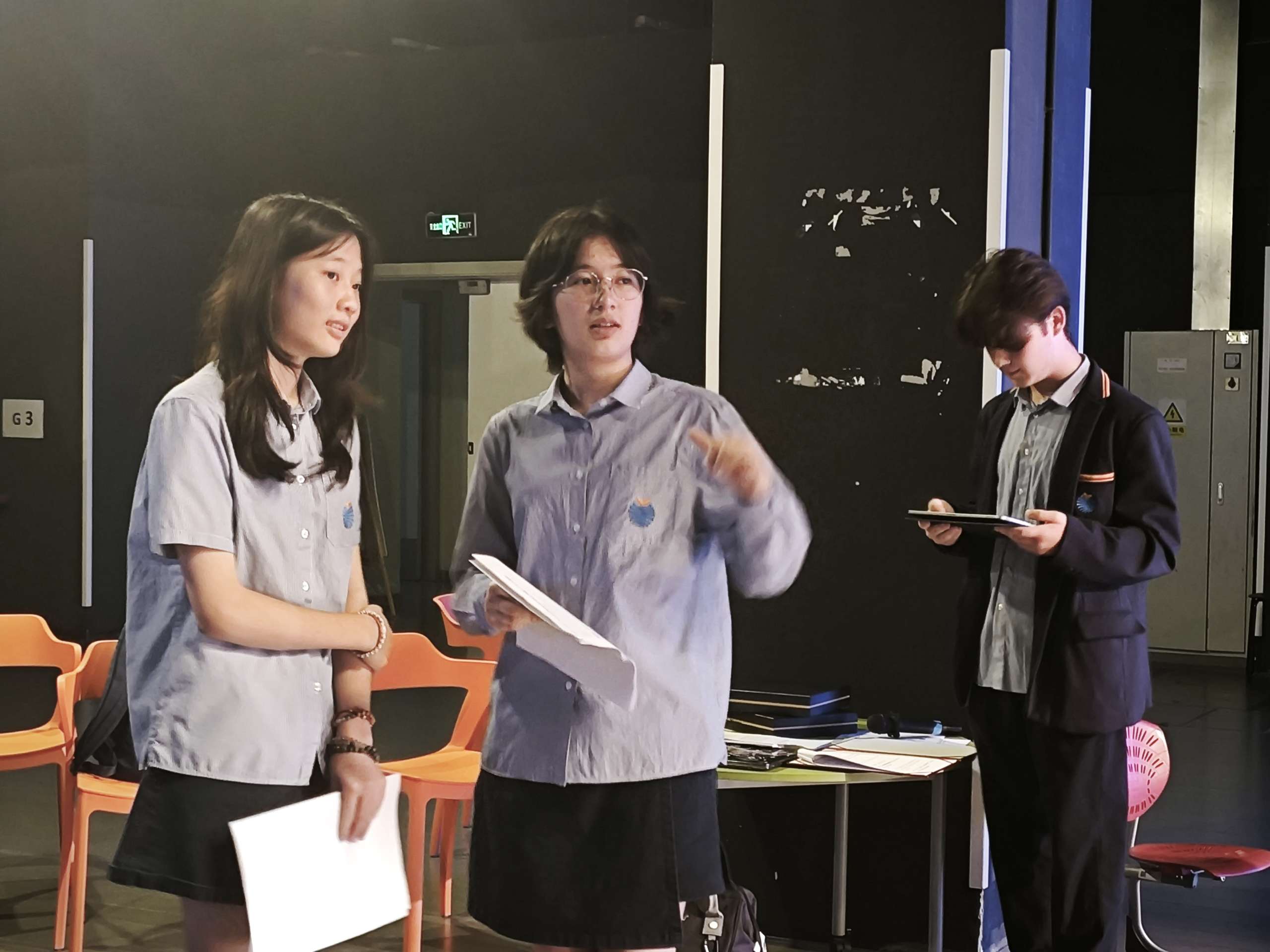
Students’ independent growth depends on appropriate guidance and support. In the Student Council, Teacher Aura and the advisory team follow an approach of “80% autonomy and 20% support”:
80% autonomy gives space for creativity. From theme development and poster design to broadcast programmes and event procedures, students lead discussions, make decisions and carry out their plans. The school provides them with sufficient space to explore.
20% support safeguards essential boundaries. Teachers provide firm guidance and oversight on matters such as campus safety, risk assessment, school-level budgets and coordination across departments.
When students encounter disagreements, teachers do not usually provide immediate answers. Instead, they guide students back to the purpose of the activity and encourage them to reconsider practical factors such as time, venues and budgets before developing a solution that takes different views into account.
From Standing in the Spotlight to Making a Difference
As leadership education continues to develop, students’ understanding of what it means to be a leader is changing too.
Leadership does not necessarily mean standing at the centre of the stage. A truly dependable leader may be the person who checks every detail carefully, remains calm when unexpected problems arise or steps in when the team needs support. Rather than focusing on whether they themselves receive attention, these students care more about whether the team can complete its work successfully and whether their contribution has made a positive difference to those around them.
This focus on others and on the wider community is also reflected in their hopes for the future:
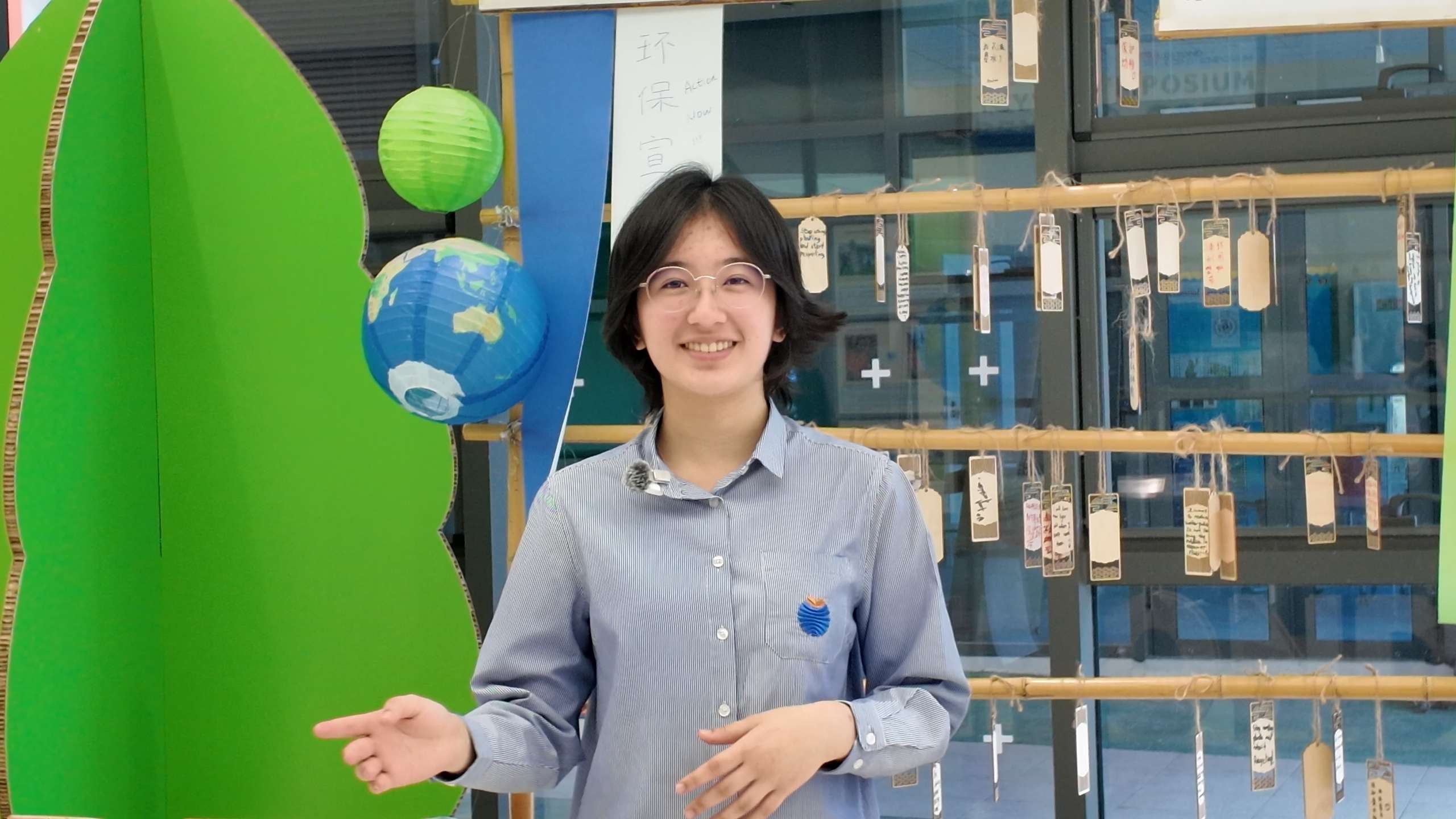
Emma:I hope to become someone who can think independently, take responsibility and understand others.
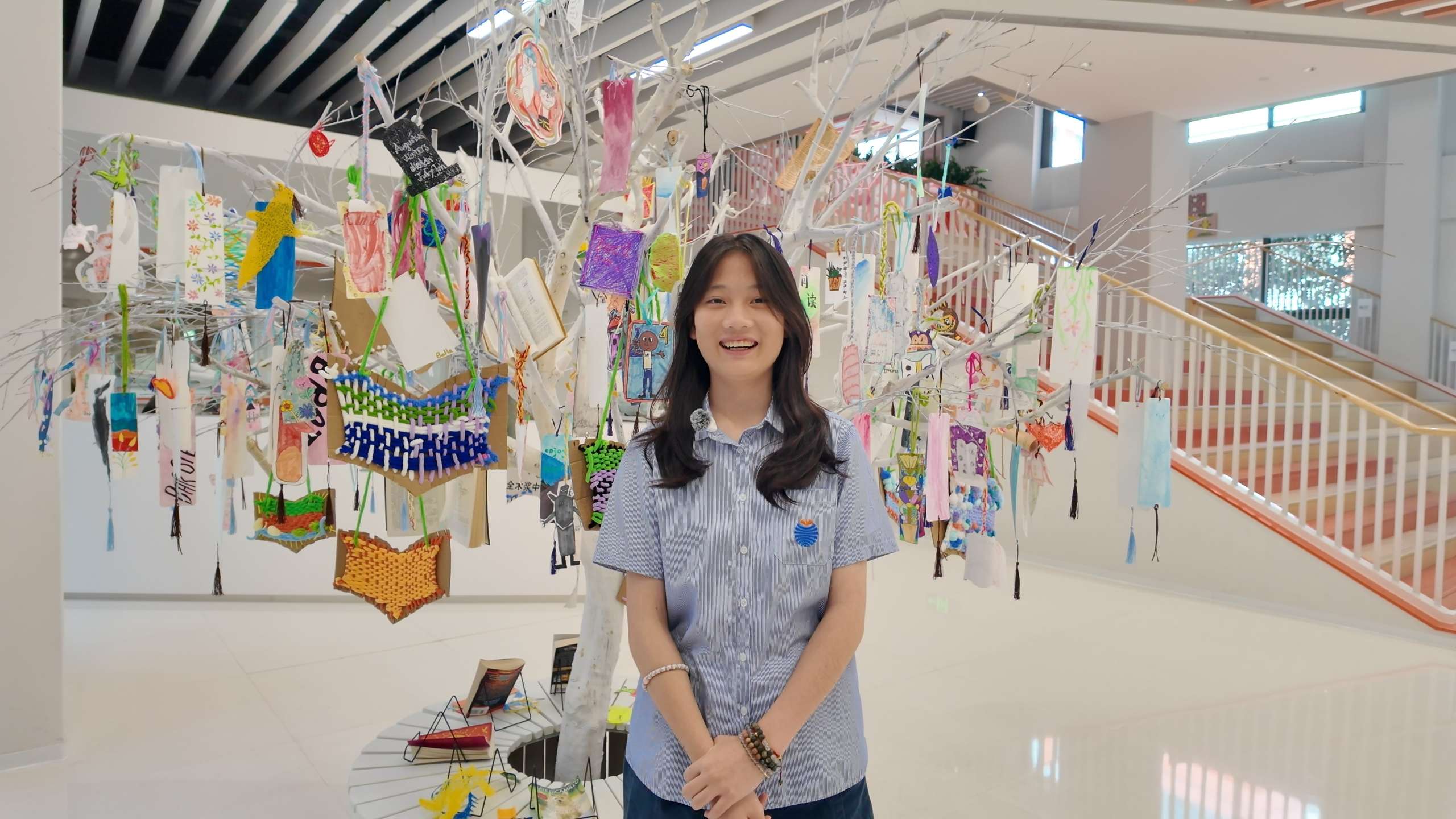
Nora:I hope to remain clear-minded and capable of independent thought, while also developing a more open and inclusive outlook.
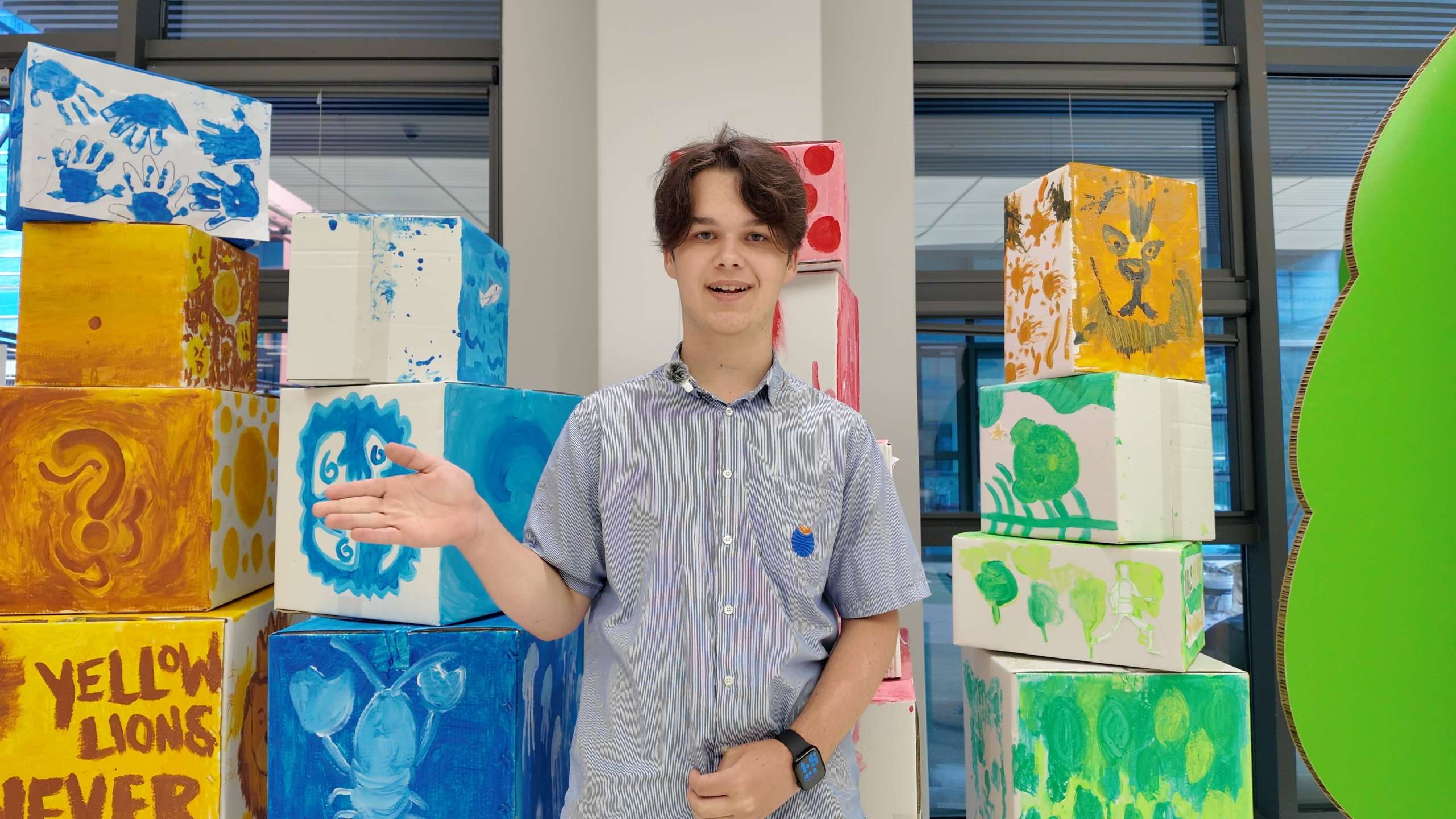
Ethan: I hope to become someone who is reliable, willing to help others and able to bring positive change to the people around me.
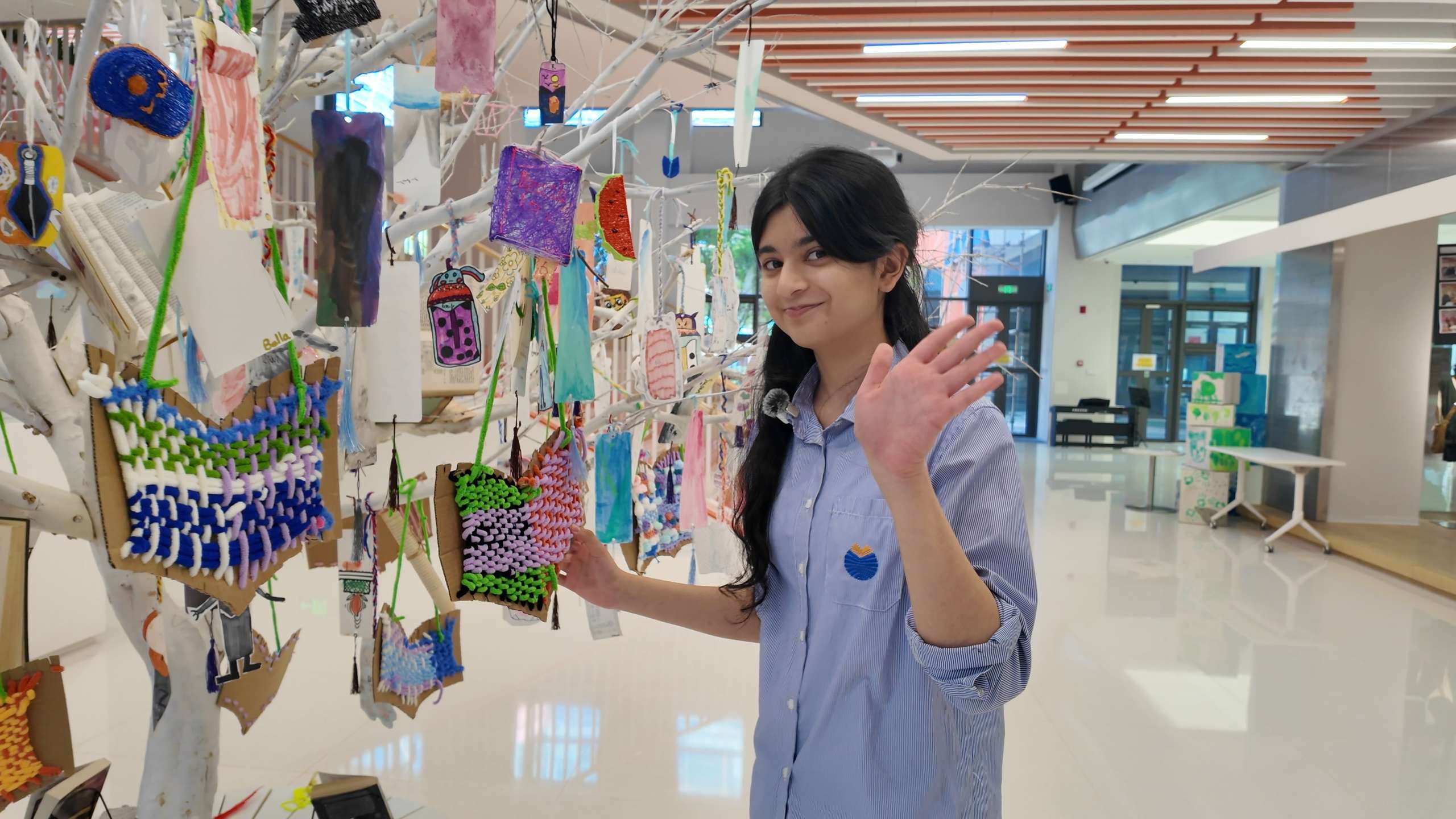
Sonya: It does not matter whether I continue to hold a particular position in the future. I hope that whenever I leave a place, it will be a little better because I was there.
From the Leadership Conference in Shanghai to student-led initiatives on campus, leadership education at YWIES Tongxiang is firmly rooted in authentic experience. The Student Council gives students opportunities to express their views, make decisions, collaborate and serve others. Through concrete responsibilities, they learn what it means to be accountable; through teamwork, they develop empathy.
This is the meaning of the Growth Class at YWIES Tongxiang: enabling students to understand leadership through practice, continue growing through participation, and help create a closer, warmer campus through everyone’s contribution.
END
For more highlights from the Student Council, welcome to search the WeChat Channel account: @桐乡耀华学生会



YWIES Zhejiang Tongxiang is a Child-Safe School
Click HERE for our Child Protection Policies and Procedures
© Zhejiang Tongxiang Yew Wah International Education Foundation 2022. All Rights Reserved.